


As millions of Americans deal with the fallout of winter storms and brace for upcoming inclement weather, households are also confronting higher heating bills this winter.
Heating prices are expected to be 9.2% higher for consumers in the 2025-26 winter than they were a year ago, according to a report released last week by the National Energy Assistance Directors Association (NEADA).
Households are expected to spend $995 on heating this winter, which represents an increase of 9.2% or $84 from last winter, according to the NEADA’s analysis.
Those cost increases for consumers are driven mainly by surging prices for electricity and natural gas. Electricity costs are expected to rise 12.2%, or $133, this winter while natural gas prices are projected to be up 8.4%, or $54.
MORE THAN 1 MILLION AMERICANS LOSE POWER AS MONSTER WINTER STORM SWEEPS ACROSS THE US
Heating oil costs are expected to be little changed, up 0.4% or $6, while NEADA estimates that propane costs will be down 1.4% or $18 this winter to partially offset the overall rise.
NEADA noted that there are several factors that are pushing retail electricity prices higher across most of the country.
“Higher interest rates have increased the cost of financing power plants and transmission projects. Rising natural gas prices are pushing up electricity generation costs. At the same time, electricity demand is growing rapidly, driven in part by the expansion of data centers,” the report said.
“Aging grid infrastructure and regional capacity constraints are adding further system costs,” it added. “In addition, reduced federal incentives for renewable energy have slowed new clean energy investment.”
COAL PLANTS STEP UP AS HISTORIC WINTER STORM PUSHES US POWER GRID TO THE BRINK

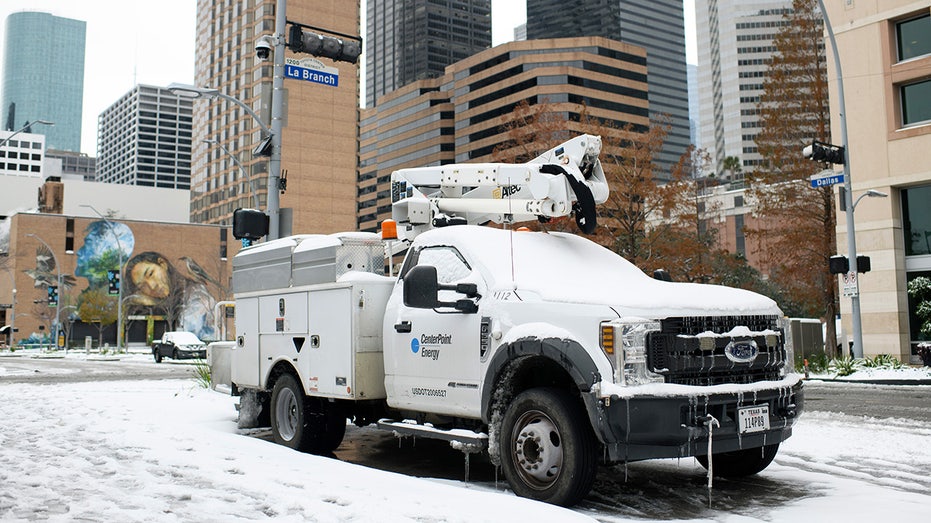
Those factors are likely to continue to drive heating costs higher, as NEADA noted that over 210 electric and natural gas utilities have raised rates or proposed rate increases within the next two years that amount to roughly $85.8 billion.
That continues the trend seen in recent years as data from the U.S. Energy Information Administration shows that the average monthly residential electricity bill rose from roughly $121 in 2021 to about $156 in 2025, a 29% increase and faster than the overall rate of inflation in that period.
Rising energy bills have created significant financial stress for low- and moderate-income households, who spend 6% to 10% of their income on energy – a figure that is three to five times higher than what higher-income households pay.
MASSIVE WINTER STORM STRAINS US POWER GRID AS OPERATORS SCRAMBLE TO AVOID BLACKOUTS
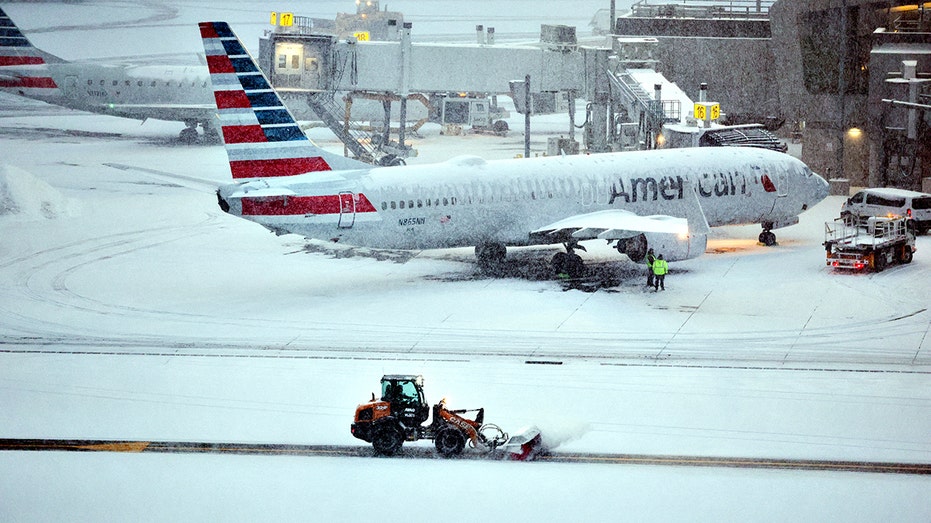
Additionally, about one-in-six households are behind on utility bills, with Americans collectively owing about $23 billion to electric and gas utilities. NEADA estimates that up to 4 million households faced utility disconnections last year, an increase of about 500,000 from 2024.
“Even modest rate increases can force families to choose between paying utility bills and covering essentials such as food, rent or medicine,” NEADA wrote.
The latest consumer price index (CPI) data from the Bureau of Labor Statistics shows that inflation has pushed some energy costs significantly higher than they were a year ago.
Utility gas service costs were up 10.8% in December on a year-over-year basis, while electricity prices were 6.7% higher. Fuel oil costs were up 7.4% from the prior year, though the index for propane, kerosene and firewood was down 5.9%.
Read the full article here