



Oil prices have surged more than 40% since the start of the Iran conflict, rattling global energy markets and raising concerns that U.S. drivers could see further increases at the pump.
Analysts say consumers may not have felt the full impact yet, as higher crude costs typically take weeks to filter through to retail gasoline prices. Even if oil stabilizes, pump prices could continue rising in the near term.
“More than likely there is more to come, because there’s usually a lag between crude prices and what consumers pay at the pump,” said Phil Flynn, a FOX Business contributor and senior market analyst at Price Futures Group.
Michael Mische, a supply chain expert and professor at the University of Southern California, also predicted the worst is not over, telling FOX Business: “There’s more still to come.”
“There is a lag, and prices will continue to work their way through the system,” he said.
IRAN WAR COULD PUSH INFLATION HIGHER THIS YEAR, GOLDMAN SACHS SAYS
U.S. benchmark West Texas Intermediate crude closed at $99.64 a barrel on Friday, remaining elevated after a volatile stretch tied to the conflict. While prices were on track for their first weekly decline in more than a month, they remain sharply higher than pre-conflict levels.
The rally follows supply disruptions linked to U.S. and Israeli strikes on Iran, which analysts estimate have removed roughly 10 million to 11 million barrels per day from global markets, tightening supply.

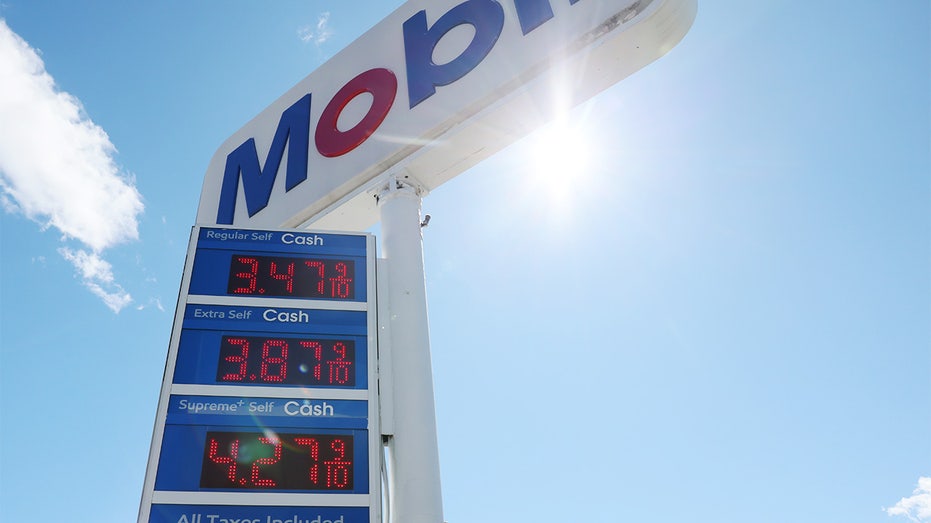
Geopolitical uncertainty continues to drive the market. The U.S. has extended a deadline for Iran to reopen the Strait of Hormuz—a critical route for global oil shipments—while also weighing additional military action. Prices could fall if the conflict eases but are likely to remain above pre-conflict levels, while a prolonged escalation could push prices higher.
IRAN WAR FUELS ASIA ENERGY CRUNCH AS INDIA, JAPAN, OTHERS FEEL STRAIN
“Even with this supply shock, the increase has been relatively orderly—and it could have been much worse,” Flynn said.
But Mische noted that strong domestic production has helped cushion the impact. “If we didn’t have current U.S. production levels, we would be in a real mess,” he said.
For consumers, gasoline prices have already begun to rise, but further increases may be ahead as the earlier crude spike continues to pass through the system.
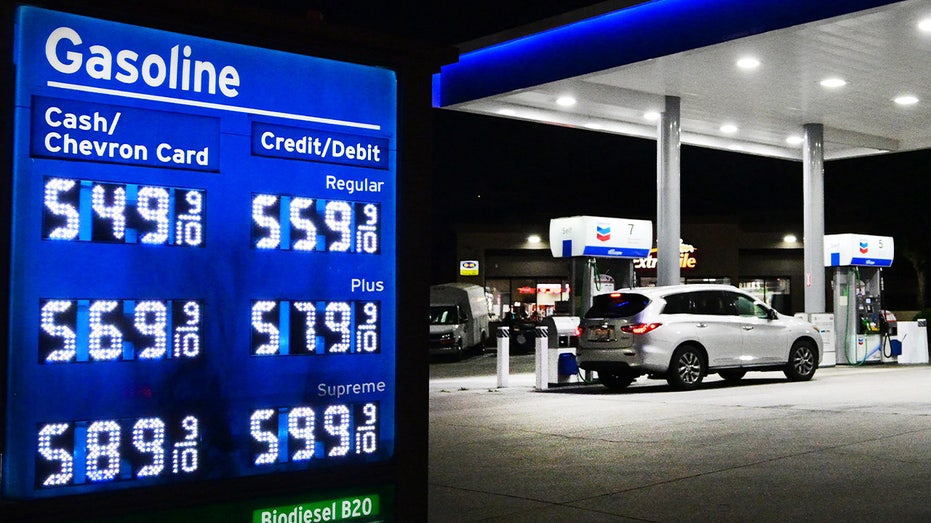
The national average price for regular gasoline stood at roughly $3.98 per gallon, according to AAA—up about 6 cents from a week ago and nearly $1 higher than a month ago. GasBuddy data shows a similar trend, with prices rising about 7 cents week over week and more than $1 over the past month.
That increase largely reflects earlier gains in oil, and because retail fuel prices lag crude movements, analysts expect additional upward pressure in the coming weeks.
CLICK HERE TO GET FOX BUSINESS ON THE GO
Seasonal factors are also contributing. The transition to more expensive summer gasoline blends is underway, increasing refining costs and potentially keeping pump prices elevated even if crude stabilizes.
“Prices go up like rockets, and they come down like a feather,” Mische said.
Reuters contributed to this report.
Read the full article here