


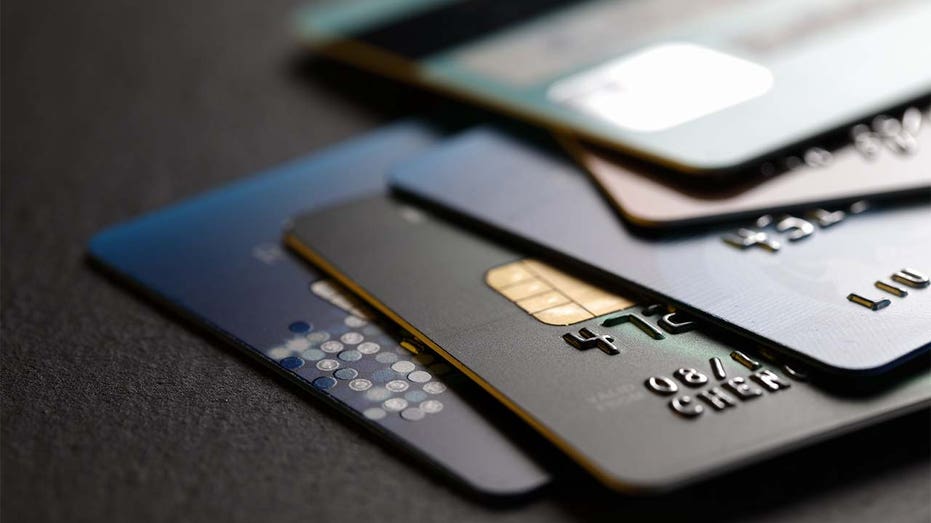
President Donald Trump’s call for a 10% cap on credit card interest rates could impact access to credit cards for many American consumers while also impacting small businesses.
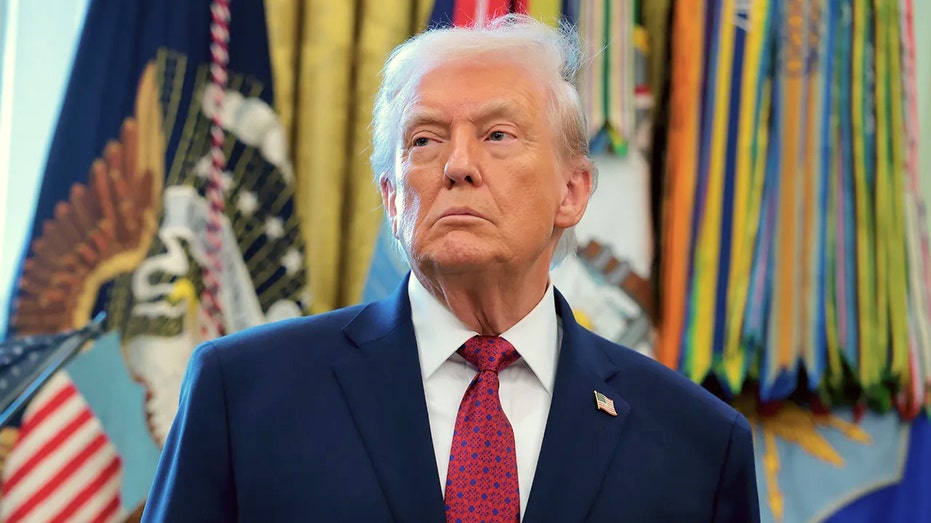
Trump on Friday declared he wants to impose a 10% cap on credit card interest rates to be implemented for one year starting on Jan. 20, saying he wants to prevent consumers from being “ripped off” by credit card issuers with interest rates that may exceed 20% for some borrowers. The president’s proposal follows the introduction of a bill last year by Sens. Bernie Sanders, I-Vt., and Josh Hawley, R-Mo., that would cap credit card APRs at 10%.
Richard Hunt, executive chairman of the Electronic Payments Coalition (EPC), told reporters that EPC’s analysis of a 10% credit card cap found that between 82% and 88% of credit card holders would see their card eliminated or their credit limit drastically reduced, with low to moderate income consumers most affected.
“I understand the president is trying to make sure Americans can afford to make ends meet, and we support that. But this study is to show them the draconian effects that would happen to his voters and to the Senate and House members’ constituents. This is serious stuff,” Hunt said.
TRUMP CALLS FOR 1-YEAR 10% CAP ON CREDIT CARD INTEREST RATES
EPC’s analysis estimated that nearly every credit card account associated with a credit score below 740 would be closed or severely restricted if a 10% interest rate cap were implemented.
That would impact 175 million to 190 million American cardholders who would lose access to their credit cards, primarily lower and middle income households. Data from the Federal Reserve Bank of New York found the average credit score for low-income Americans was 658 while it was 735 for middle-income households.
Remaining cardholders would face lower credit limits, tighter underwriting standards, as well as reduced or eliminated rewards regardless of credit score, EPC reported.
“You’ve gotta remember folks across the spectrum – lower income, lower credit rating scores, higher income, higher credit rating scores – all participate in rewards,” Hunt said.
EX-TRUMP ADVISOR RAISES ALARM OVER BIPARTISAN CREDIT CARD PLAN THAT COULD HURT AMERICANS

He added that while many cardholders may think of their credit card rewards as airline miles, he thinks of them as cash back because lower-income cardholders “rely on cash back more than rewards.”
“Especially around the holiday season, they’re trying to pay off their bill right now for the holidays, and you can use your points to pay off your credit card bill,” Hunt said.
Consumers who currently rely on credit cards would likely turn to riskier alternatives that are exempt from the administration’s proposed cap, such as payday lenders, unregulated online lenders, title lenders and pawn shops, the group added.
AMERICANS’ CREDIT CARD AND HOUSEHOLD DEBT REACH ALL-TIME HIGH
“We have to assume the risk in the financial services industry – that’s community banks, credit unions, regional banks, large banks, across the board,” Hunt said. “They assign risks to each and every cardholder and remember, there is no asset to this credit: it’s not a house, it’s not a mortgage, it’s not an auto loan. It’s strictly based upon your credit rating.”
EPC also noted that small business owners may use personal credit cards as well as one associated with their business, so the restriction’s impact would be compounded for both of their accounts.
“This would have just as a draconian effect on small businesses just as it would on the consumer,” Hunt said, noting that they also accumulate reward points by using credit cards. “They rely on the credit card for they need a float as well – 98% of small businesses make under a million dollars in gross receipts per year, but they use that credit card to have a 30-day float.”
Read the full article here