




President Donald Trump’s push to restrict Wall Street investors from buying up single-family homes in the name of promoting affordability could have the opposite effect and push prices higher, investors are warning.
Trump signed an executive order on Tuesday that directs federal regulators to promote home sales to individuals and to issue guidance preventing federal programs from facilitating single-family home sales to Wall Street investors. The order also mandates antitrust scrutiny of institutional home purchases and calls on Congress to codify the changes into law.
The president’s order comes amid the White House’s push to address Americans’ concerns about the affordability of housing, and investors cautioned that the restrictions could have unintended consequences by boosting demand without increasing supply and driving further price increases.
“The affordability issue when it comes to housing isn’t a demand problem. There’s plenty of demand there. It’s a supply problem,” said David Wagner, head of equities and portfolio manager at Aptus Capital Advisors. “So, that’s fueling more demand, which is only going to increase asset prices.”
TRUMP MOVES TO BLOCK WALL STREET FROM BUYING SINGLE-FAMILY HOMES IN SWEEPING NEW EXECUTIVE ORDER
The Trump administration has pursued policies aimed at easing construction costs, though the federal government has few levers at its disposal to boost the housing supply, as relevant laws and regulations are mostly controlled by local governments at the county and municipal levels.
“If you enact policies that boost demand without increasing supply, the price goes up,” said Michael Rosen, chief investment officer at Angeles Investments. “The best thing that could be done, and it’s hard to do this at the federal level because these regulations are all generally local regulations, would be to make it a lot easier for new housing units to be built.”
TRUMP ANNOUNCES PLANS TO BAN INSTITUTIONAL INVESTORS FROM BUYING SINGLE-FAMILY HOMES
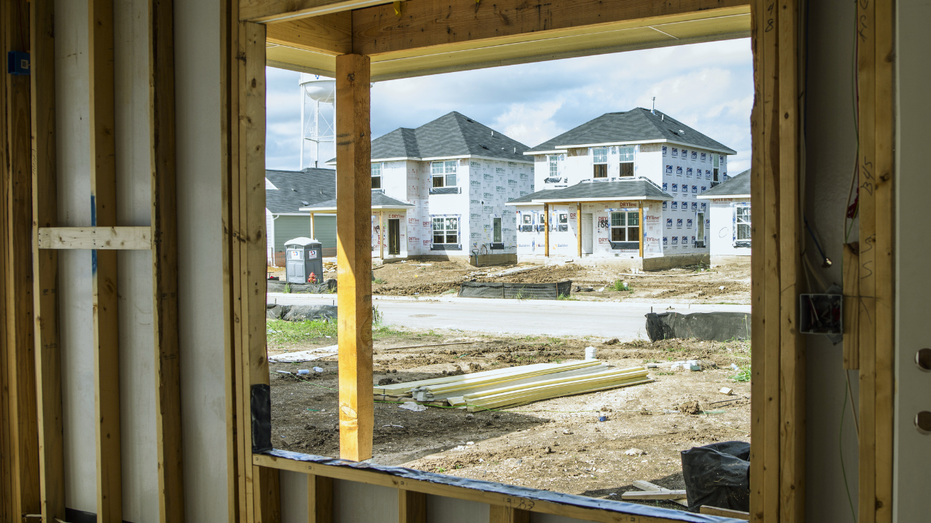
Housing prices in the U.S. have risen roughly 75% since 2016, which is more than double the rise in overall consumer prices tracked by the consumer price index (CPI), a popular inflation gauge.
However, price growth eased in the past year and in October home prices were up just 1.7% from a year earlier, which was the smallest increase in a decade.
The National Association of Realtors has noted that the supply of housing has slowly improved over the last year or so, which has helped slow the pace of price growth.
POWELL SAYS RATE CUTS WON’T MAKE ‘MUCH OF A DIFFERENCE’ FOR STRUGGLING HOUSING SECTOR
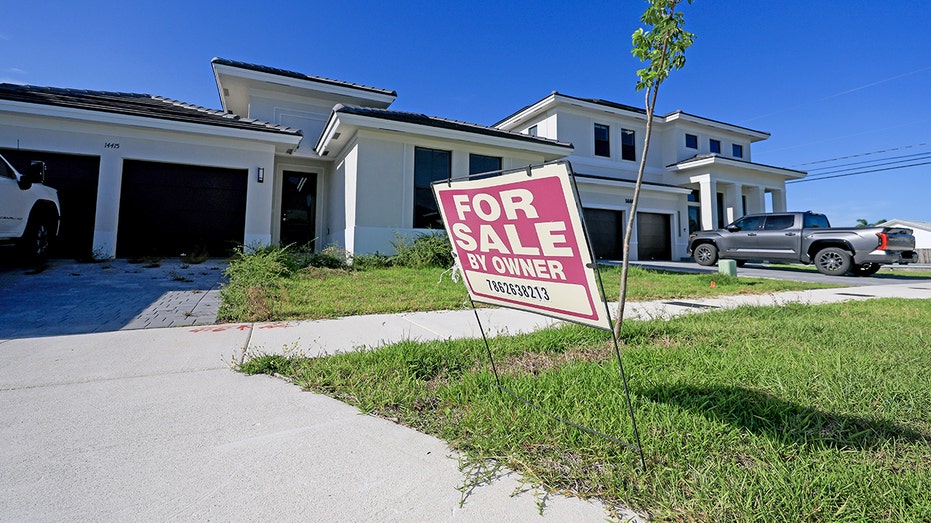
National Association of Home Builders CEO Jim Tobin said that his organization has been engaged with the administration to push policies that could help lower the cost of building new homes, adding that corporate investment has helped in that effort.
“I believe that corporate investment in housing has been a driver of new home construction,” Tobin said.
Wall Street firms including Blackstone, American Homes 4 Rent and Progress Residential have bought thousands of homes since the 2008 financial crisis prompted a wave of foreclosures. Firms owned about 3% of all single-family rental homes by June 2022, government data showed.
Those firms dispute that their investments have stoked inflation in housing prices, with Blackstone noting it has been a net seller of homes for the last decade.
Reuters contributed to this report.
Read the full article here